Motorized drapery works best when it is planned before the walls, electrical work, drapery fabrication, and automation programming are finalized.
Power options
Motorized systems may use line voltage, low voltage, plug-in power supplies, or battery-based configurations depending on the manufacturer and load. The motor location and outlet location should be coordinated so wiring remains serviceable and visually discreet.
Control methods
Common options include wall switches, handheld remotes, dry-contact inputs, radio controls, app control, voice assistants, and integration with a broader lighting or automation platform. Compatibility should be confirmed before equipment is ordered.
How the drapery moves
Determine whether the system is one-way draw, center draw, or a more complex multi-panel layout. Also confirm the preferred open and closed limits, stacking location, overlap, and return arrangement.
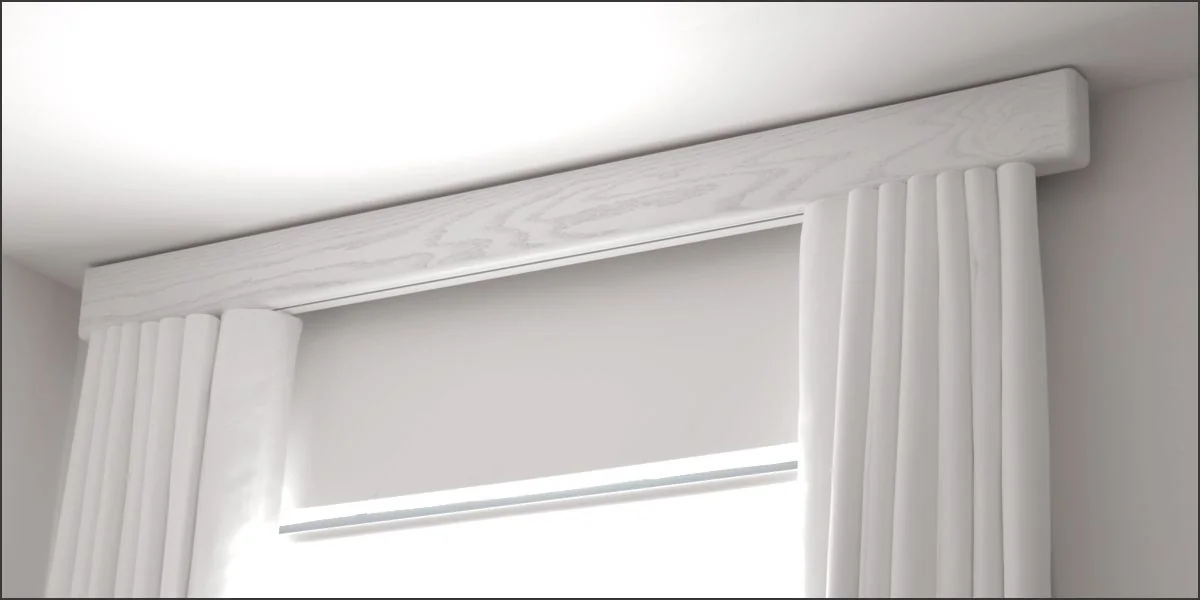
Fabric weight and track shape
Motor capacity depends on the completed panel weight, not fabric weight alone. Lining, interlining, trim, heading construction, and panel width all contribute. Bends and long runs can also change the appropriate system.
Access and serviceability
Concealment should not prevent future access to the motor, controller, power connection, or track components. A clean installation still needs a realistic service plan.
Need help specifying a system?
Send us the opening dimensions, photographs, heading style, and operation preference.
Contact Urban Decors